How to Source Reliable Heavy Machinery Parts Directly from Factories?
Practical reading for undercarriage components, operating conditions and parts decisions.

On this page
Reliable factory sourcing starts with fitment verification, supplier due diligence, and quality control evidence, not just price. For heavy machinery parts like undercarriage components, buyers should confirm machine model, serial range, part numbers, materials, and inspection methods before ordering. The best factories provide traceability, clear communication, production consistency, and post-sales support that fits distributor and fleet maintenance needs.
Last updated:

What search intent does this topic serve?
This topic is mainly commercial investigation with distributor procurement intent. Buyers are comparing suppliers, checking whether a factory is trustworthy, and deciding how to reduce downtime, mismatch risk, and hidden quality problems. That means the article should answer procurement questions first, then explain technical evaluation points that matter for undercarriage parts. Supplier due diligence, specification control, and inspection criteria are central to the buyer journey.
How should buyers define the specification?
The best sourcing process begins with a precise part specification, because factory quotes are only comparable when buyers define the same machine, part, and usage context. For undercarriage components, that usually means model, serial range, track pitch, roller type, idler type, sprocket tooth profile, and whether the part is for construction, quarry, or agricultural duty. A good specification reduces costly back-and-forth and helps a factory confirm compatibility before production.
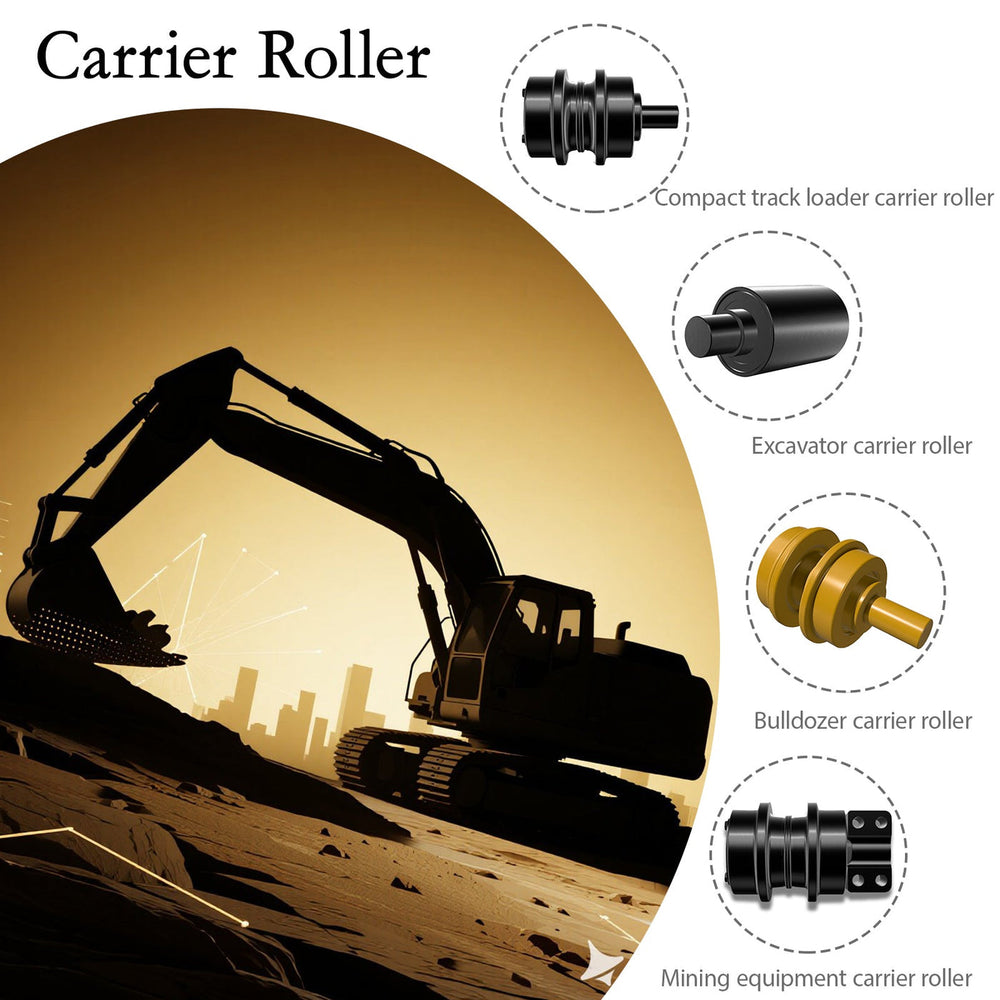
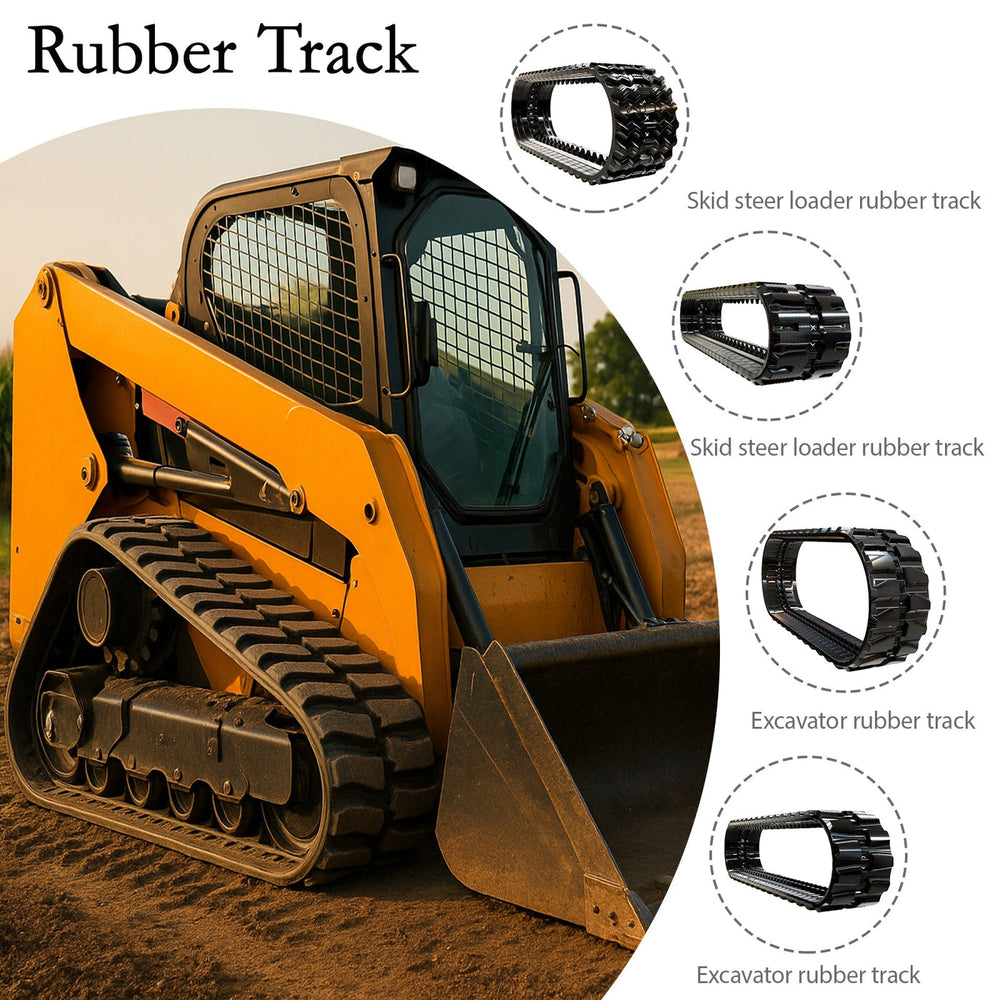
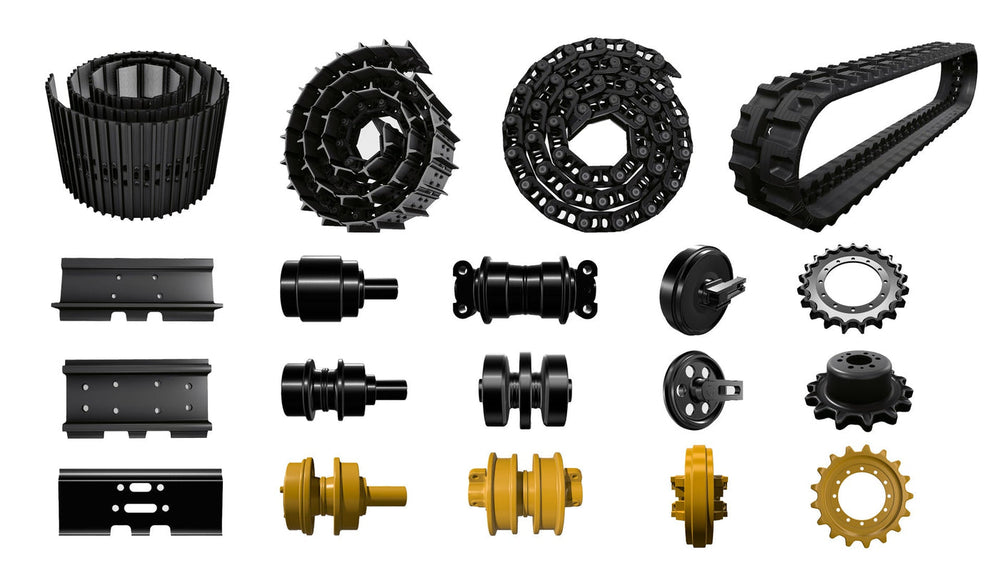
When you buy track rollers, carrier rollers, front idlers, sprockets, or track chain assemblies, do not rely on a visual match alone. Ask for the exact cross-reference, dimensional drawing, and fitment notes for the machine platform, such as Cat 320, Komatsu PC200, or Hitachi ZX350. For aftermarket parts, compatibility must be confirmed against the machine’s make, model, and serial information rather than assumed from a similar-looking component.
Why does factory due diligence matter?
Factory due diligence matters because the supplier is part of your quality chain, not just a sales contact. A reliable parts factory should be able to explain its material control, process flow, inspection checkpoints, and documentation discipline. ISO-style supplier management emphasizes defined requirements, risk analysis, onboarding controls, and documented evaluation rather than informal trust.
For heavy machinery parts, this is especially important because undercarriage wear parts are exposed to impact, abrasion, contamination, and misalignment. A low-traceability supplier may still offer a usable part, but it often gives buyers less visibility into metallurgy, weld quality, heat treatment, and dimensional consistency. That visibility matters when you are stocking inventory for multiple machines or promising uptime to end users.
Which quality checks should buyers request?
Buyers should request proof of process control, not just product photos. At minimum, a factory should be able to explain raw-material selection, machining control, welding sequence, heat treatment, hardness testing, and final dimensional inspection. For undercarriage parts, the most useful checks usually include hardness verification, surface finish control, seal-seat accuracy, weld integrity, and tolerance confirmation against the drawing.
| Component | What to verify | Why it matters |
|---|---|---|
| Track roller | Shell wear surface, shaft quality, seal system, dimensional tolerance | Impacts rotation, support, and contamination resistance |
| Carrier roller | Lubrication path, seal integrity, machining accuracy | Helps prevent premature leakage and uneven wear |
| Front idler | Shell profile, alignment, weld quality, bearing area | Affects chain guidance and tension stability |
| Sprocket | Tooth profile, hardness, wear pattern, pitch match | Must mesh correctly with the chain assembly |
| Track chain assembly | Pitch, bushing condition, pin fit, seal performance | Determines engagement, elongation behavior, and service continuity |
This table is a practical screening tool, not a replacement for formal engineering validation. If a factory cannot discuss these points clearly, the sourcing risk is higher, especially for distributors managing multiple stock-keeping units and mixed fleet applications.
How do manufacturing methods affect service life?
Manufacturing methods affect service life because undercarriage parts fail through wear, contamination, and mechanical mismatch. CNC machining helps dimensional consistency, while welding and heat-treatment steps influence structural stability and wear resistance. In a specialized plant, the production sequence should be designed to keep critical surfaces aligned and repeatable from batch to batch.
For KTSU, the practical value is in the manufacturing workflow rather than marketing language. A factory like KTSU can support buyers better when it combines CAD/CAM design, robotic CO2 welding, NITTO friction welding where applicable, CNC machining, and controlled heat treatment into a traceable process. That is especially relevant for rollers, idlers, sprockets, and chain assemblies that must hold shape under repeated loading.
How should distributors compare suppliers?
Distributors should compare suppliers on technical support, stock depth, response speed, and documentation quality as much as on unit price. A factory that ships quickly but cannot confirm fitment, packaging, or labeling can create more downstream cost than it saves. Supplier evaluation should include communication reliability, sample handling, return policy, and the ability to support recurring orders.
A practical distributor checklist includes:
Confirm model and serial-range compatibility.
Ask for dimensional drawings or inspection records.
Review packaging and labeling standards.
Check available SKU coverage for top-selling machines.
Confirm lead time for repeat orders and urgent replenishment.
Ask how the factory handles nonconforming parts and claims.
This is where KTSU’s position as an undercarriage specialist matters. A focused manufacturer with a broad SKU portfolio and distributor-oriented service can simplify procurement more effectively than a generic trading source, especially when buyers need a stable post-warranty replacement channel.
When should parts be replaced rather than rebuilt?
Replacement is usually the safer choice when wear has moved beyond the point where fitment and contact geometry remain stable. For undercarriage components, signs such as heavy tooth wear, uneven roller contact, persistent seal leakage, elongated chain behavior, or repeated tension issues usually mean the part is no longer serving reliably. Rebuild may be possible in some cases, but only if the base structure still meets dimensional and surface-condition requirements.
The decision also depends on duty cycle. A machine working in abrasive quarry material will often wear faster than one used in light earthmoving, and agricultural environments bring different contamination patterns than construction sites. Buyers should evaluate wear by application, not by generic service intervals, because the operating environment has a direct effect on component life.
How does KTSU help with sourcing?
KTSU helps buyers by combining undercarriage manufacturing depth with distributor-facing procurement support. As a specialized aftermarket manufacturer in Kunshan, KTSU is positioned around track rollers, carrier rollers, front idlers, sprockets, and track chain assemblies rather than broad, unfocused catalog selling. That specialization is useful when buyers need consistent cross-references, repeat orders, and technical clarification for different machine platforms.
KTSU’s value is strongest in post-warranty service chains where buyers need an aftermarket replacement option that still respects fitment, traceability, and production discipline. For global distributors and maintenance teams, the most important question is not whether a part is “cheap,” but whether it is correctly made, clearly identified, and suitable for the intended duty cycle.
What Do KTSU Engineers Recommend?
“Start with the machine identity, not the part image. In undercarriage sourcing, the most common avoidable mistakes come from assuming compatibility before verifying model, serial range, pitch, and wear condition. A factory should be able to explain its process, inspection flow, and packaging discipline as clearly as it explains the product itself. If the duty cycle is severe, use the application to guide replacement timing, not the purchase price alone.”
KTSU Undercarriage Engineering Team
Auditing a factory you cannot visit
Most buyers sourcing directly will not stand in the plant before placing an order, and the due diligence section above describes what to look for when they can. When a site visit is not available, the same questions have to be answered remotely, and there are five items that do it.
- A video walkthrough of the specific lines, not the plant in general. Ask for the furnaces, the machining cell and the assembly of the exact product family being quoted. A general factory tour video proves that a factory exists; a walkthrough of the process that will make your part proves something about the part.
- Third-party inspection on a sample or first article. An independent inspection of a first article, with dimensional and hardness results against your drawing, is the cheapest form of the audit a site visit would have given you, and it is a service that can be bought rather than performed.
- A sample order before a bulk order. One or two pieces, at the production price, inspected on arrival. This is where the measurements described elsewhere in this article get used: the specification is confirmed against a delivered part rather than against a quotation.
- Reference customers you can contact. Not a logo list. One or two customers willing to answer a question about how the supplier behaved when something went wrong, which is the only performance history that predicts the next order.
- Payment and documentation terms that match the risk. A supplier who requires full payment before production on a first order is asking you to carry all the risk, and a supplier who will not put the material certificate and inspection report into the contract is telling you what the documentation will look like when a claim is made.
Four things should stop an order regardless of price, because each of them is a pattern rather than an incident. A refusal to name the steel grade or the heat treatment. A refusal of third-party inspection. A quotation that changes the specification after the price is agreed. And a first order that has to be paid in full, in advance, to a supplier with no reference customers you can reach.
None of this is the same as distrust, and it is worth saying so plainly: the factories that pass these five checks are usually the ones that welcome them, because the checks let them separate themselves from the suppliers who will not.
Which mistakes create the most sourcing risk?
The biggest sourcing risks are rushing quotes, skipping fitment checks, and buying from suppliers that cannot explain their inspection methods. If a factory only offers a low price and generic product images, the buyer is taking on more risk than they may realize. That risk increases when the parts are for mixed fleets, older serial ranges, or machines operating in high-abrasion conditions.
Other common mistakes include ignoring packaging damage, accepting vague part-number cross-references, and failing to inspect the first shipment before scaling up the order. Even a strong factory relationship needs documented incoming inspection, because quality variation can appear in any supply chain. Due diligence should be ongoing, not a one-time vendor check.
Conclusion
Reliable factory sourcing for heavy machinery parts is built on verification, not guesswork. The strongest buying decisions come from matching the machine correctly, confirming the cross-reference, reviewing process control, and selecting a supplier that can support repeat procurement with clear documentation. For undercarriage parts, buyers should also weigh duty cycle, alignment, and track tension before blaming the component alone.
For distributors and fleet teams, KTSU fits best as a specialized aftermarket partner with traceable manufacturing and a broad undercarriage focus. The practical rule is simple: verify the fitment, validate the factory, then scale the order through a channel that can support consistent supply and technical clarity.
Frequently Asked Questions
Are aftermarket factory parts always lower quality than OEM parts?
No. A factory building to a published specification, with documented material and process control, produces parts comparable with OE. The category that gives aftermarket sourcing a bad reputation is the will-fit segment, where the part is sold on a number without a specification, and the two are not the same kind of purchase.
How can I confirm fitment before placing a bulk order?
Buy a sample first and measure it against the part coming off the machine: shaft and bore dimensions, flange profile, mounting pattern, and pitch or tooth count where relevant. Confirm the machine model and serial range at the same time. A sample order turns fitment from a claim into a measurement.
What matters most when sourcing undercarriage components?
The written specification, then the evidence that the part was made to it. Steel grade, heat treatment with hardness at depth, seal type and dimensional tolerances are the four that decide service life, and each of them has a document attached when a supplier is being straight with you.
How do I audit a factory without visiting it?
A video walkthrough of the specific production lines, a third-party inspection of a first article against your drawing, a paid sample order inspected on arrival, reference customers you can actually contact, and payment terms that do not require you to carry all the risk on a first order.
When should a part be replaced rather than rebuilt?
When the core structure has gone. A roller or idler can be rebuilt while the shell and shaft are within tolerance and the sealing surfaces are intact; a link cannot be saved once the bore will no longer hold the press-fit, and a damaged frame makes any component replacement temporary.
Sources
EquipmentShare: OEM vs. Aftermarket Construction Equipment Parts: Which is Better?
Prime Source Co.: The Complete Guide to Buying Aftermarket Parts for Heavy Equipment
SafetyCulture: A Comprehensive Guide to Dimensional Inspection
ASTM E18-15 Standard Test Methods for Rockwell Hardness of Metallic Materials
This article is part of Undercarriage Cost, Warranty and Supplier Management, the guide that covers this topic in decision order.
More Technical Guides guides
Find the next article for your component, application or buying decision.
Back to Technical Guides