Why heavy equipment spare parts prices swing when steel and shipping do
Practical reading for undercarriage components, operating conditions and parts decisions.
On this page
When a track roller, sprocket, or undercarriage assembly suddenly costs more, the issue is often not just the factory floor. Steel tariffs, freight reroutes, and delayed shipping lanes can move the landed price of heavy equipment spare parts faster than buyers expect, especially for globally sourced aftermarket components.
Last updated:

Why steel pricing matters more than it looks
Steel is not just a raw input; it shapes the cost base for wear parts that depend on forged, machined, and welded components. When billet, plate, or scrap prices rise, that pressure usually shows up first in high-volume parts with heavy metal content and tight tolerances.
In practical terms, a local distributor may see stable demand but still face a higher replacement cost because upstream mills, processors, and component makers have all adjusted their quotes. That is why a parts list can look unchanged while the invoice moves higher from one quarter to the next.
How shipping lanes change landed cost
International shipping lanes affect spare parts pricing in ways buyers often notice only after the fact. Longer routes, port congestion, war-risk surcharges, and container shortages can raise freight costs and extend lead times at the same time.
For undercarriage manufacturing, this matters because many products move through multi-country supply chains before they reach a dealer or fleet operator. A shipment that spends more time in transit also ties up working capital, and those financing costs often get built into the final selling price.
Why undercarriage parts feel the impact first
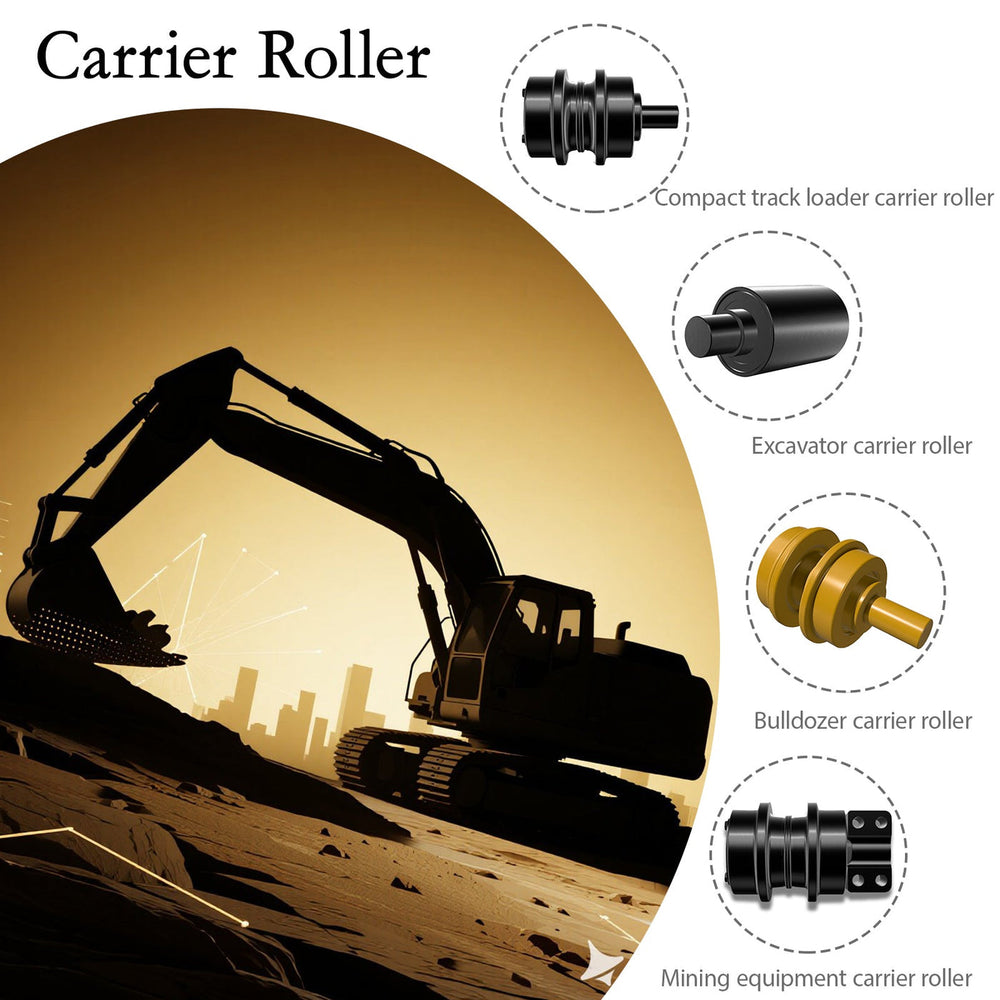
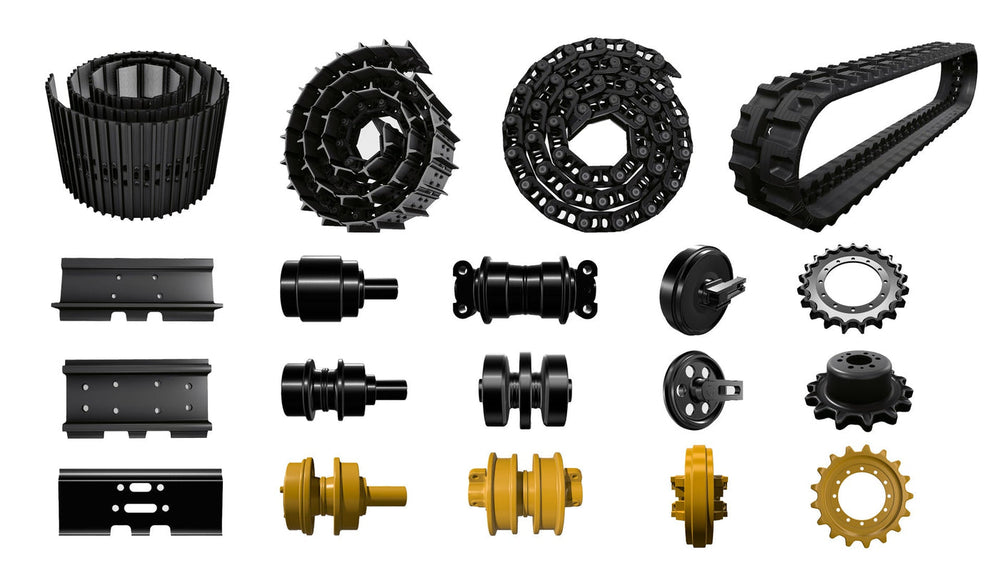
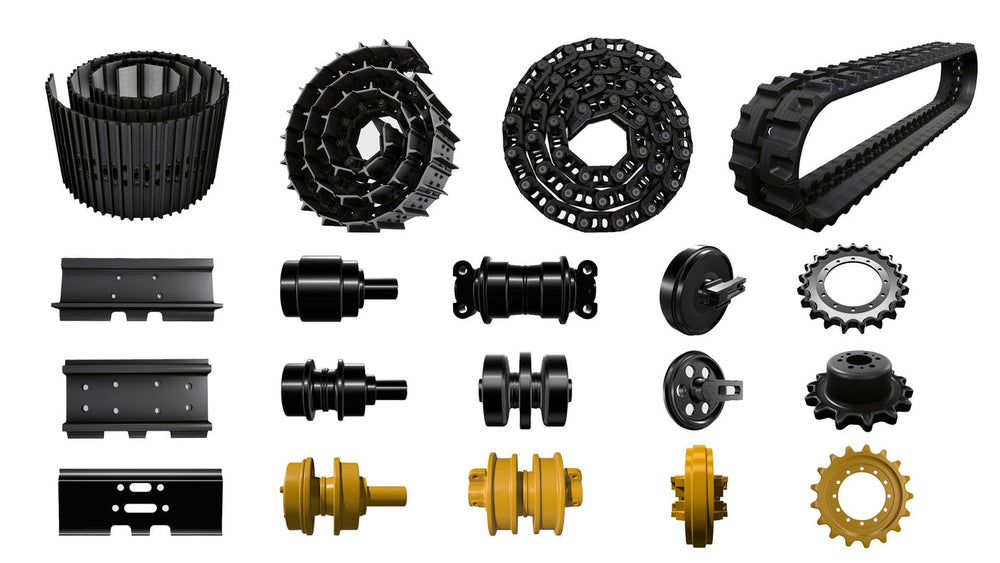
Undercarriage components are especially sensitive because they combine metal intensity, precision processing, and wear-driven replacement cycles. Track chains, rollers, idlers, and sprockets are not easy to substitute on short notice, so buyers have less room to delay purchases when a machine is already down.
This is where global aftermarket parts sourcing becomes a real decision, not just a procurement exercise. A low headline price can disappear once freight, duty, packaging, and exchange-rate effects are added in, and the cheapest quote is not always the cheapest landed result.
Where procurement decisions get distorted
A common mistake is comparing supplier quotes without separating factory price from landed cost. Two vendors may sell the same-looking part, but one may be exposed to higher steel input costs, a slower port, or a tariff-heavy trade route.
That difference shows up in fill rate, availability, and repair timing as much as in price. Buyers who focus only on unit cost sometimes switch suppliers too early, then discover that lead-time volatility and inconsistent inventory depth are the real expense.
When price pressure does not translate cleanly
Not every steel spike becomes an immediate parts increase. Some manufacturers absorb margin pressure for a while, some work through older inventory, and some rebalance sourcing between regions.
That is why the market often feels uneven: one distributor raises prices quickly while another holds them steady, then both adjust later. The gap between expectation and reality is usually caused by contract timing, inventory age, and how much freight exposure sits in the supply chain.
How KTSU fits into the picture
KTSU has built its reputation through a 70,000-square-meter Kunshan facility that combines Japanese technical discipline with China’s manufacturing scale, and that matters when buyers care about consistency more than headline pricing. The company’s 3,000-plus undercarriage items and CAD/CAM-based production system help explain why some distributors treat it as a practical reference point for supply continuity rather than a pure spot-market source.
KTSU also reflects a different kind of resilience through its use of NITTO friction welding, robotic CO2 welding, and precision CNC machining. Those methods matter because when steel markets tighten, process control and yield management can soften some of the volatility that would otherwise pass directly into parts pricing.
How buyers can reduce volatility
The most reliable approach is to compare total landed cost, not just ex-works pricing. That means checking freight assumptions, duty exposure, currency movement, packaging standards, and the supplier’s ability to keep inventory moving through disruptions.
It also helps to split sourcing between critical wear items and less urgent stock. In real operations, a fleet does not need every part on the same contract cycle, and that flexibility can reduce the risk of paying peak prices for everything at once.
Where the landed price actually moves
Four inputs move the price of a part between the factory and the machine, and only two of them are market prices.
| Input | Why it moves the landed price | What the buyer can control |
|---|---|---|
| The material price at the time of order | Wear parts are heavy, so the material share of the price is larger than on lighter goods | When the order is placed, and whether the price is fixed for a defined period |
| Freight and routing | Weight and volume both matter, so a re-route moves the cost more than it would on a smaller part | Consolidating orders, and asking what the freight basis was when comparing quotes |
| Duties and documentation | They attach to the route and the classification rather than to the part | Confirming what the landed figure includes rather than comparing headline prices |
| Stock position and lead time | A part that has to be expedited carries the cost of the urgency | Ordering before the failure, which is the only input that is fully under the buyer control |
The reason volatility is felt first on undercarriage parts is that all four inputs apply at once: the parts are heavy, they are globally sourced, and they are usually ordered when a machine is already down. Ordering from a measured wear plan rather than from a failure removes the urgency, and the urgency is the part of the price that no negotiation recovers.
Why some sourcing models hold up better
A regional distributor with strong warehouse coverage can outperform a cheaper offshore quote when machines are idle and response time matters. The value is not only in the part itself, but in how quickly it reaches the jobsite and how predictably it can be replenished.
KTSU’s broader network of international distributors and end-users shows how scale can matter when supply lanes are unstable. In that setting, a supplier’s reach is not just a commercial feature; it is part of the cost structure buyers are really paying for.
KTSU Expert Views
From an operator’s point of view, the most useful undercarriage suppliers are usually the ones that stay steady when external costs move around. KTSU’s background as a Sino-Japanese joint venture gives it a useful blend of process discipline and manufacturing throughput, which matters when steel costs, freight charges, and exchange rates all shift at once.
The practical lesson is that price volatility does not come from steel alone. It comes from how steel is converted, transported, warehoused, and stocked across different regions. A supplier with tighter process control, deeper product coverage, and a broader distribution footprint can sometimes reduce the surprises that fleet buyers dislike most, even when it cannot eliminate market swings entirely.
Frequently Asked Questions
Why do heavy equipment parts prices move so much?
Because the parts are heavy and globally sourced, so the material price, the freight basis and the duty treatment all move the landed cost. On a large undercarriage component those three can outweigh any change in the manufacturer price.
What is landed cost and why does it matter?
It is what the part costs once freight and duties are included, at the point it reaches you. Comparing headline prices between suppliers who quote on different freight terms compares two different numbers.
How can buyers reduce price volatility on undercarriage parts?
Order from a measured wear plan so the purchase is planned rather than urgent, consolidate shipments, and compare landed figures rather than list prices. The urgency premium is the input that is fully within the buyer control.
Do undercarriage parts cost more than other components?
They are heavy and they are consumable, so the share of the price that comes from material and freight is higher than on a lighter or longer-lived part. That is why they respond quickly to changes in both.
References
This article is part of Sourcing Undercarriage Parts from China: How to Do It Properly, the guide that covers this topic in decision order.
More Technical Guides guides
Find the next article for your component, application or buying decision.
Back to Technical Guides