Snow Packing Track Tension Relief That Actually Holds Up in Deep Snow
Inspection, wear evidence and replacement planning for the complete track system.
On this page
When a machine operates through heavy, packable snow, track tension can look completely correct in the yard yet feel entirely wrong an operation hour later. The core challenge is not just determining whether the chain is tight enough; it is understanding how snow loading, ice compaction, and undercarriage flex alter how the track interfaces with components once the machine begins active work.
Last updated:

For overseas equipment maintenance managers, fleet operators, and heavy machinery parts buyers, mastering winter track tension relief is essential to preventing premature component wear and avoiding unexpected track derailments in deep snow.
Why Track Tension Changes Rapidly in Snow
Track tension in deep, packable snow is never static because snow behaves like a dynamic, moving load. As snow compacts into the undercarriage assembly, it reduces clearance, dramatically increases mechanical drag, and makes a properly adjusted track feel noticeably tighter than expected.
This is critical because operators frequently judge tension by how the machine feels on cleared ground rather than monitoring how it behaves after a few working passes. In real-world conditions, equipment warms up, packs snow unevenly on opposing sides, and forces the track chain off-center if alignment is already marginal.
How Tension Relief Works on the Machine
Tension relief is the precise process of setting a crawler track so it can articulate without binding while remaining securely guided. The ultimate goal is never a loose, sloppy track; rather, it is a controlled amount of operating slack designed to survive snow loading, suspension travel, and heavy steering torque.
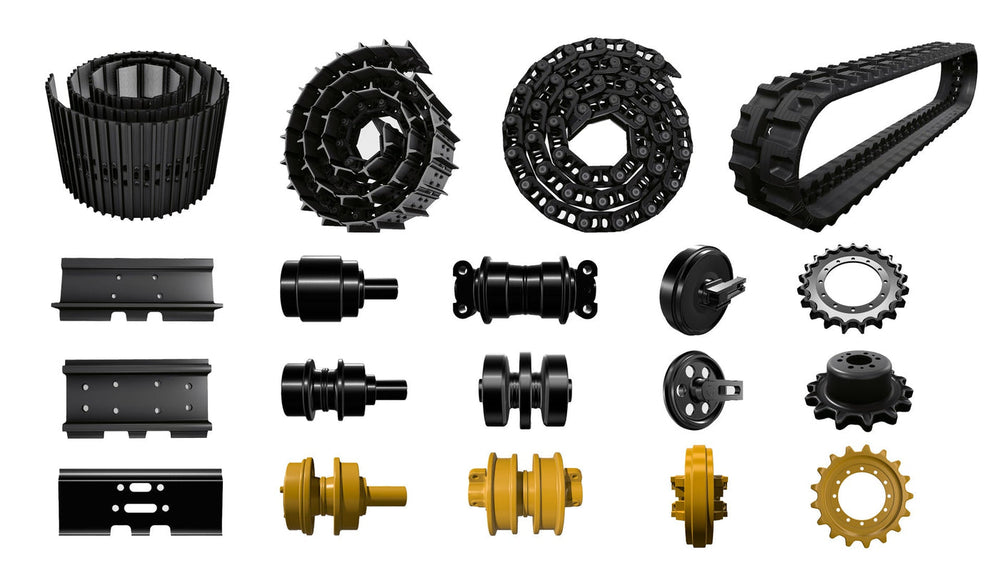
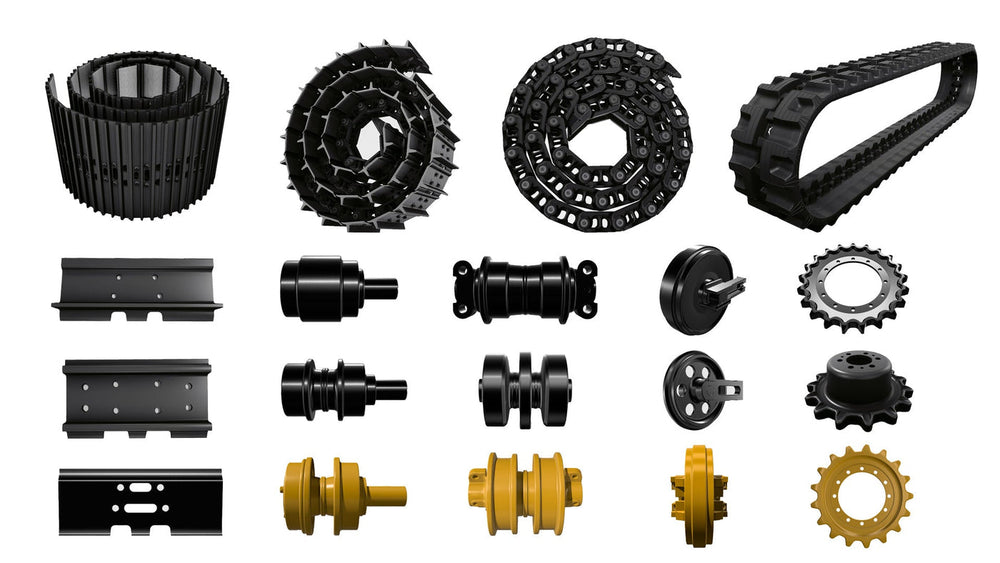
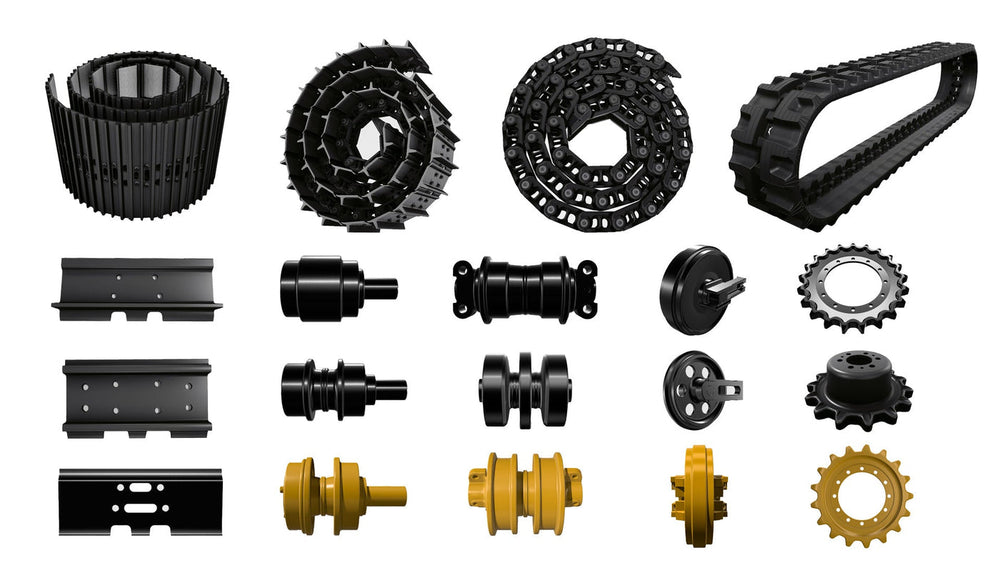
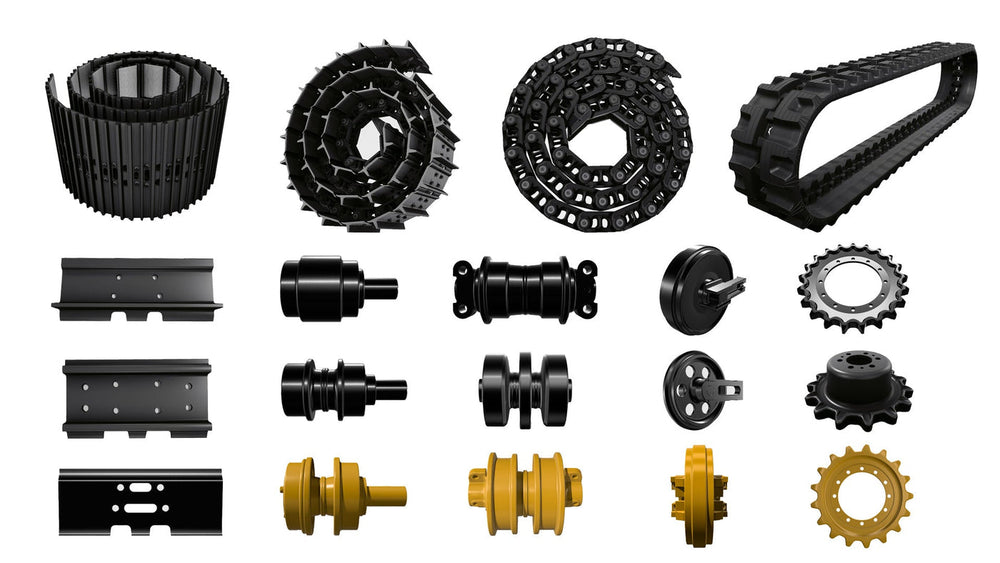
On tracked excavators and crawler loaders, the undercarriage requires sufficient mechanical give to absorb snow buildup without over-stressing the chain, sprocket, or front idlers. KTSU’s comprehensive engineering and manufacturing focus across track rollers, carrier rollers, front idlers, sprockets, and complete track chain assemblies reflects this exact systems logic: a tension setting only functions correctly when the supporting components are built and aligned to distribute loads evenly.
Where Field Operators Get Misled in Winter
The most common maintenance mistake is tightening the track to correct a symptom that actually originated from snow packing, not from true mechanical slack. In practice, a machine that sounds rough or travels stiffly in deep snow may simply be fighting packed material, frozen buildup, or misalignment.
This is why a fresh tension adjustment can feel helpful for a brief initial run only to deteriorate once operating conditions change. Operators who chase immediate feel often end up overcorrecting, which increases friction wear and makes side-loading much more severe when the machine transitions into uneven terrain.
Choosing the Right Winter Tension Setting
The optimal setting depends on machine type, undercarriage geometry, and how aggressively the equipment works in snow. A track tension that is entirely acceptable on dry soil can become dangerously tight once it starts carrying compressed snow through the frame.
For fleet managers, the most reliable decision-making process is to start with the manufacturer’s baseline specification, then verify how the machine behaves after a short working cycle in the exact snow condition it will face. This approach is far more dependable than treating a single tension number as a universal rule across different brands, wear stages, and winter environments.
| Winter Operating Condition | What Happens Inside the Undercarriage | What It Means for Track Tension |
| Light Powder Snow | Minimal packing, consistent movement | Baseline specification-based setting usually holds |
| Heavy Packable Snow | Snow mass builds tightly in the frame | Tension relief and cleanout matter as much as adjustment |
| Mixed Ice and Snow | Uneven loading and severe side drag | Component alignment becomes critical to monitor |
| Warm-to-Cold Cycling | Freeze-up restricts clearance and movement | Recheck tension after ambient temperature shifts |
What is actually changing the tension reading in snow
In snow the reading moves for reasons that have nothing to do with the chain. Three of them account for most winter adjustment problems.
| What changes | How it shows up | What to do about it |
|---|---|---|
| Snow compacted into the running gear | The tension rises without an adjustment, and the machine feels tight on hard ground after working in powder | Clear the running gear before measuring, and measure on a hard surface rather than in the snow |
| Ice bridging across the frame openings | The reading changes with the temperature rather than with the hours | Treat it as a condition to clear rather than a figure to adjust to |
| Thermal contraction of the components | The same machine reads differently on the same surface at a different hour | Set the tension cold, from the manual figure, and compare like with like |
What makes the winter routine work is deciding in advance which reading is authoritative. The figure that counts is the one taken cold, on hard ground, with the running gear cleared. A reading taken in deep snow, or after the machine has been working, describes the conditions rather than the track, and adjusting to it puts the machine out of specification for most of its working day. Where the cold, cleared reading will not hold, that is a mechanical finding and the search moves to the running gear.
Why Adjustments Fail in Real-World Use
A tension adjustment can fail simply because the root problem was never tension. If track rollers are severely worn, idlers are damaged, or the chain pitch is uneven, the machine will continue to track poorly even after adjustment.
Snow exacerbates this frustration because failures often appear intermittent. A machine may seem corrected in one section of the jobsite and then pull to one side after crossing a packed drift or executing a tight turn, causing operators to doubt the tension setting when the real culprit is underlying undercarriage wear.
How to Improve Winter Performance and Reliability
The best winter results come from small, repeatable adjustments rather than massive overcorrections. Clear packed snow and slush from the undercarriage before evaluating tension, then re-verify settings after the machine has worked long enough to reach a stable operating temperature.
It is equally important to treat component alignment and tension as a single operational decision. A track that is slightly off-center can look acceptable at rest but load unevenly once snow begins compacting around the chain links and rollers. KTSU’s global network of distributors and end-users makes this kind of field feedback invaluable, proving that durable parts must be engineered to withstand diverse regional climates and maintenance habits.
KTSU Expert Views
KTSU’s extensive undercarriage manufacturing background is vital here because winter tension issues are rarely isolated to a single component. A track chain assembly, roller set, and front idler must function as an integrated system where load capacity, contamination resistance, and geometry meet.
The company’s technical identity is anchored in advanced CAD/CAM design, NITTO friction welding, robotic CO2 welding, and precision CNC machining—processes that matter far more in winter operations than they might initially appear. These manufacturing controls directly influence material sealing, surface hardness, case durability, and how consistently the undercarriage tolerates repetitive snow loading and freeze-thaw cycles.
From a fleet management perspective, winter tension decisions must be made with component quality in mind, not just wrench settings. A well-adjusted track on a weak, worn undercarriage will always behave like a failing system.
For reliable replacement components and professional undercarriage solutions engineered to withstand harsh winter environments, explore the KTSU Undercarriage Catalog.
Frequently Asked Questions
Why does track tension change so quickly in deep snow?
Snow compacts into the running gear and takes up the space the track needs, and ice can bridge across frame openings. Both change the reading without anything having been adjusted. Thermal contraction adds a smaller effect that moves with the temperature.
Should I loosen track tension for winter work?
Set it to the figure in the manual for the machine, measured cold, on hard ground, with the running gear clear. Departing from the specification to compensate for snow packing hides the real change and removes the reference point you need later.
How do I measure track tension when the ground is covered in snow?
Move the machine onto a hard surface that you have cleared, allow it to cool if it has been working, and check that the running gear is free of compacted material before measuring. A reading taken in powder describes the snow, not the track.
Can snow packing damage the undercarriage?
It can, because it raises the tension the components see and can turn a recoil system into a rigid connection in the right conditions. That is why clearing the running gear is part of the winter routine rather than a cosmetic step.
References
This article is part of Undercarriage Problems in the Field: Mud, Clay, Snow and Water, the guide that covers this topic in decision order.
More Maintenance & Wear guides
Find the next article for your component, application or buying decision.
Back to Maintenance & Wear