Komatsu PC138US sprocket bolt torque retention in demolition: engineering, market context, and KTSU system solutions
Practical reading for undercarriage components, operating conditions and parts decisions.
On this page
Demolition contractors and fleet managers working with Komatsu PC138US‑class excavators rarely lose a sprocket bolt overnight; instead, clamp load fades silently under vibration, shock, and abrasive wear until the rim starts to wobble or the track derails at the worst possible moment. In this environment, Grade 12.9 sprocket bolts, torque‑turn tightening, and system‑level undercarriage design are not optional—they are the difference between predictable uptime and repeated, costly stoppages mid‑project. This article blends engineering detail, market context, and real demolition scenarios to show how PC138US sprocket bolt torque retention actually works, why it fails, and how KTSU‑style undercarriage systems keep drive rims tight in the most abusive conditions.
Last updated:

Why sprocket bolt torque retention now matters in demolition
Global demolition equipment has been expanding as fleets tackle more high‑rise and industrial teardown projects, which means more excavators spending their entire lives in impact‑heavy, vibration‑rich environments instead of general earthmoving. In this duty cycle, high‑reach hydraulic excavators face repeated shock loads and micro‑vibration that dramatically accelerate undercarriage fatigue compared with standard construction work. Komatsu PC138US‑class excavators working on concrete and steel structures depend on stable sprocket bolt torque retention to prevent track loss, rim fretting, and unplanned downtime.
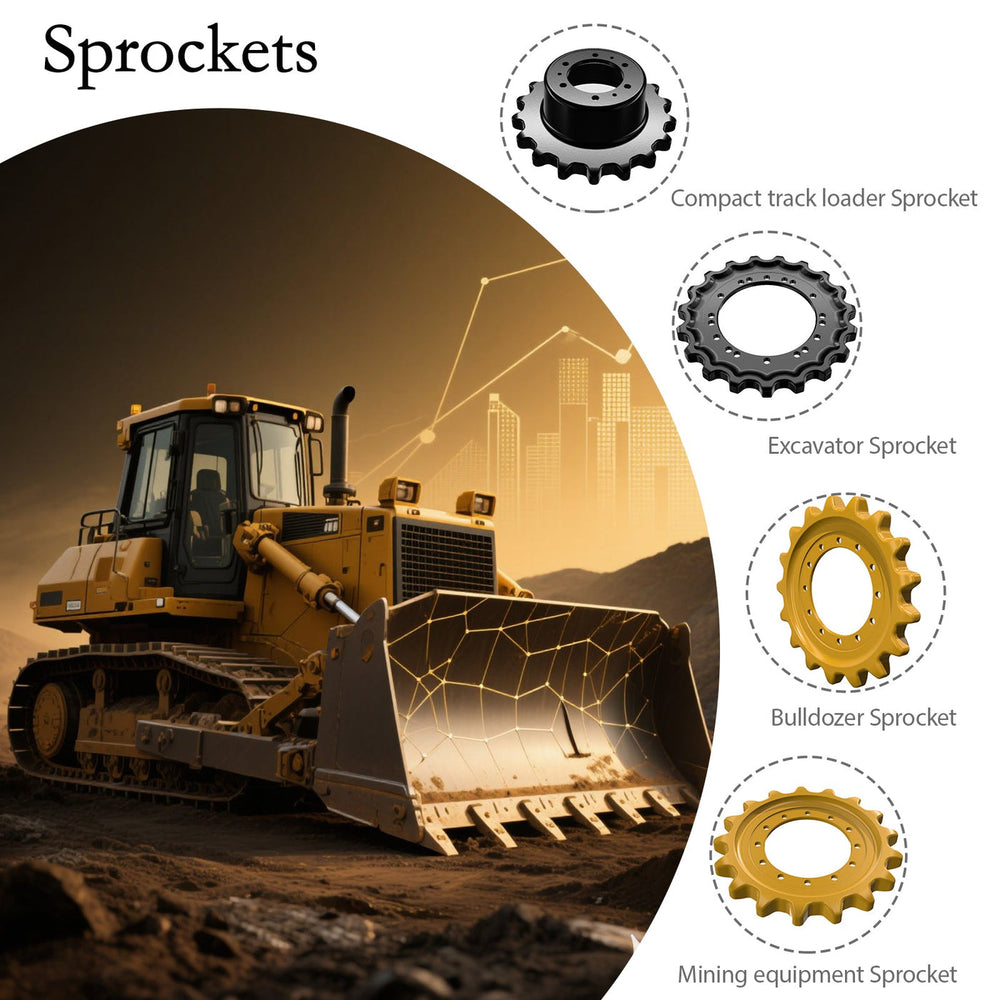
From a strategic perspective, undercarriage reliability has shifted from a maintenance detail to a core productivity lever. A single sprocket bolt failure in urban demolition can cascade into chain misalignment, tooth and bushing damage, and delayed project timelines, all under tight safety and noise constraints. Sino‑Japanese undercarriage specialists such as KTSU have responded by designing sprockets, segment groups, rollers, chains, and bolt sets that are explicitly meant to survive demolition duty cycles, covering machines from compact 1‑ton excavators up to 250‑ton carriers so fleets can treat torque retention as a controlled design variable rather than a recurring gamble.
What Komatsu PC138US sprocket bolt torque retention actually means
For a Komatsu PC138US in demolition environments, sprocket bolt torque retention is the ability of the drive rim bolts to maintain their designed clamping force despite repeated high‑impact loads, micro‑vibration, and abrasive undercarriage wear. It is not just “tightening until it feels good”; it is a controlled state of elastic bolt stretch that keeps the sprocket flange and final drive interface locked together over time. This concept combines three elements: Grade 12.9 track bolt selection, torque‑turn tightening procedures, and a sprocket/chain design that resists joint movement.
In real usage, every time a sprocket tooth engages a damaged track bushing or hits broken concrete, the load path runs through the bolts as tension, shear, and bending. If the bolts never reached stable elastic stretch, or if the mating surfaces are uneven or contaminated, each impact event becomes a small opportunity for preload loss. Over weeks of work, these micro‑events accumulate into visible fretting, ovalized holes, and loosening bolts that threaten the entire drive system. Treating torque retention as an engineered state rather than an installation step is what separates stable undercarriages from chronic problem machines.
Pain points: how demolition destroys sprocket bolt preload
Demolition contractors using PC138‑class excavators see several recurring undercarriage problems that all trace back to unstable bolt torque and joint design rather than a single “bad bolt.”
First, micro‑vibration loosening. High‑frequency oscillations from hydraulic hammers, processors, and continuous slew cause small cyclic slip between the sprocket hub and final drive flange. Each micro‑slip event can slightly unwind bolt threads or relax gasketed surfaces, eroding preload until one or more bolts back out and the sprocket begins to wobble. Operators often notice this first as a subtle change in tracking feel or a new noise under load, but by then fretting has already started.
Second, thread‑stretch mismanagement. Grade 12.9 bolts have very high tensile strength and are designed to operate in controlled elastic stretch. If fitters under‑torque, over‑torque, or lubricate threads inconsistently, the joint never reaches a stable elastic tension state. Under‑torqued bolts lose clamping force early under impact; over‑torqued bolts risk plastic deformation or delayed brittle failure, especially in harsh environments where hydrogen embrittlement or surface damage is possible.
Third, shock loads and rim fretting. When PC138US machines slam tracks against rubble piles or reinforced slabs, unbalanced loads travel through the chain into the sprocket rim. If bolt preload is insufficient or the contact surfaces are rough, contaminated, or poorly machined, this creates fretting corrosion around bolt holes and seating faces, accelerating ovalization and making future torque retention even more difficult. Subsequent retorque may no longer restore full stability because the joint geometry has been compromised.
Finally, accelerated undercarriage wear patterns. Demolition sites mix sharp steel, broken concrete, and embedded rebar, creating abrasive conditions relative to soil or quarry rock. Sprocket teeth and track bushings can wear unevenly, generating irregular load sharing across bolts and raising the risk that individual fasteners see local overload and cyclic fatigue. Contractors sometimes respond by swapping components piecemeal, but if bolt grade and joint design do not match the new wear pattern, failures persist.
The engineering case for Grade 12.9 track and sprocket bolts
The choice of Grade 12.9 sprocket bolts on a Komatsu PC138US is not marketing; it is a direct response to the stress state of demolition undercarriages. Grade 10.9 fasteners are common in general undercarriage applications, but Grade 12.9 bolts offer higher proof strength and minimum tensile strength, enabling them to hold higher elastic preload without entering plastic deformation. For sprocket joints that must survive high cyclic tension, bending, and transverse vibration, this extra margin in strength and fatigue resistance is essential.
These bolts are typically made from alloy steels with controlled chemistry and quenched‑and‑tempered microstructures. Correct heat treatment yields a tempered martensite structure that balances surface hardness with core toughness. In practice, this means the bolt shank can stretch elastically under torque‑turn tightening and then act as a resilient spring against loosening forces. When a PC138US drops a track over broken slab or engages uneven teeth under side‑load, the Grade 12.9 bolts maintain their clamp load instead of bending or yielding permanently.
From an undercarriage manufacturer’s viewpoint, including practitioners like KTSU, the bolt grade is part of a system. Shoulder diameters, thread pitch, flange thickness, and seating geometry are specified around the assumption of high‑tensile fasteners. Mixing in lower‑grade bolts or uncertified steels undermines the design envelope and shows up later as unexplained looseness, cracked heads, or threads pulled out of the joint.
Thread stretch, torque, and micro‑vibration in PC138US demolition duty
Correct sprocket bolt torque does more than cinch a joint; it deliberately stretches the bolt within its elastic range so that clamp force remains stable across the flange interface. In PC138US demolition duty, each sprocket tooth engagement, slewing acceleration, and attachment vibration pulse changes clamp force slightly. A properly stretched bolt responds elastically, absorbing these variations while keeping mating surfaces in contact.
The challenge is that torque alone is a poor proxy for stretch. Friction in threads and under heads varies with lubrication, surface finish, contamination, and tool condition. Two bolts tightened to the same torque can have different preload. Micro‑vibration exacerbates this variability by inducing transverse motion at the joint when surfaces are not perfectly flat or when preload is marginal. Over time, microscopic slip gradually unwinds threads or erodes contact surfaces, leading to clamp‑load loss even if no single event is catastrophic.
Maintenance teams often discover this when they rely solely on impact wrenches and feel. Some bolts are over‑stretched and vulnerable to fatigue; others are under‑stretched and prone to loosening. The visual evidence—polished bolt heads, paint loss around washers, black powder from fretting at the flange—appears as a pattern rather than an isolated defect. Learning to interpret these patterns and link them back to bolt stretch and vibration behavior is central to improving torque retention.
Torque‑turn method: how to keep PC138US drive rims from loosening
A torque‑turn method pairs an initial torque value with a controlled angular turn to achieve reliable bolt elongation. On a Komatsu PC138US sprocket joint, this means first tightening each Grade 12.9 bolt to a base torque that seats the joint and overcomes friction, then rotating it by a predetermined angle to reach the target elastic stretch. The angle is chosen based on bolt size, material, and joint geometry so that most variability in friction is converted into predictable elongation.
In the field, this method only works when applied consistently. Bolts should be started uniformly—often snugged with hand tools or carefully controlled impacts—then tightened in a star or cross pattern across the sprocket flange to avoid tilting the rim. Contact surfaces must be clean, flat, and free of burrs; threads should follow a defined lubrication strategy instead of ad‑hoc oil or grease. Calibration of torque tools and clear documentation of both torque and angle are part of the procedure, not optional extras.
Demolition duty introduces another layer: retorque after initial work cycles. As bolts and surfaces bed in, some relaxation is normal. Scheduling torque checks after the first heavy demolition shift or after defined hour thresholds lets crews catch early movement before it turns into fretting or visible wobble. When torque‑turn is treated as a disciplined multi‑step process—selection, preparation, tightening, documentation, re‑inspection—drive rims on PC138US machines remain far more stable in abusive work.
Failure modes: why PC138US sprocket bolts still loosen or break
Even with high‑strength bolts and torque‑turn procedures, PC138US sprocket bolts can fail through a mix of clamp‑load loss, fatigue, and joint geometry degradation. Loss of clamp load is the most common precursor. Micro‑movement under vibration creates fretting corrosion around bolt holes and seating faces, producing black or reddish powder and polished contact marks. As holes ovalize, the bolt shank experiences bending as well as tension, accelerating fatigue.
Design or habit sometimes perpetuate under‑torquing. Older manuals may specify lower torque values based on clean workshop conditions or less severe duty cycles. When these values are followed in demolition environments with contaminated threads and high shock loads, real clamp load is insufficient. Over‑torquing is equally problematic, pushing bolts past the elastic range into plastic deformation, which reduces their ability to sustain cyclic loading without crack initiation.
Misalignment in sprocket mounting faces, poor machining, or mixed component sources can compound these issues. A rim with inconsistent countersink depths or a flange with residual distortion may never seat uniformly, regardless of bolt grade. Manufacturers and practitioners like KTSU often see returned sprocket assemblies whose bolts “tell the story”: some stretched beyond yield, some bent, some polished from fretting, indicating that torque retention failed as a system rather than as a single bad fastener.
Optimization insights: building a non‑loosening sprocket system
Improving sprocket bolt performance on Komatsu PC138US machines in demolition use requires treating the joint as part of a broader undercarriage system. The first optimization layer is fastener selection: certified Grade 12.9 bolts and matched nuts with known mechanical properties and traceable metallurgy. Head markings, documentation, and dimensional checks—such as shoulder fit and thread engagement depth—help ensure that every bolt in the joint behaves predictably.
The second layer is joint preparation and tightening discipline. Final drive flanges, sprocket mounting faces, and bolt seats should be cleaned, inspected for machining quality, and corrected if burrs or distortion are present. A consistent lubrication strategy must be chosen and reflected in torque charts; mixing dry and lubricated bolts in the same joint introduces unpredictable friction differences. Torque‑turn sequences should be planned, applied in star patterns, and recorded.
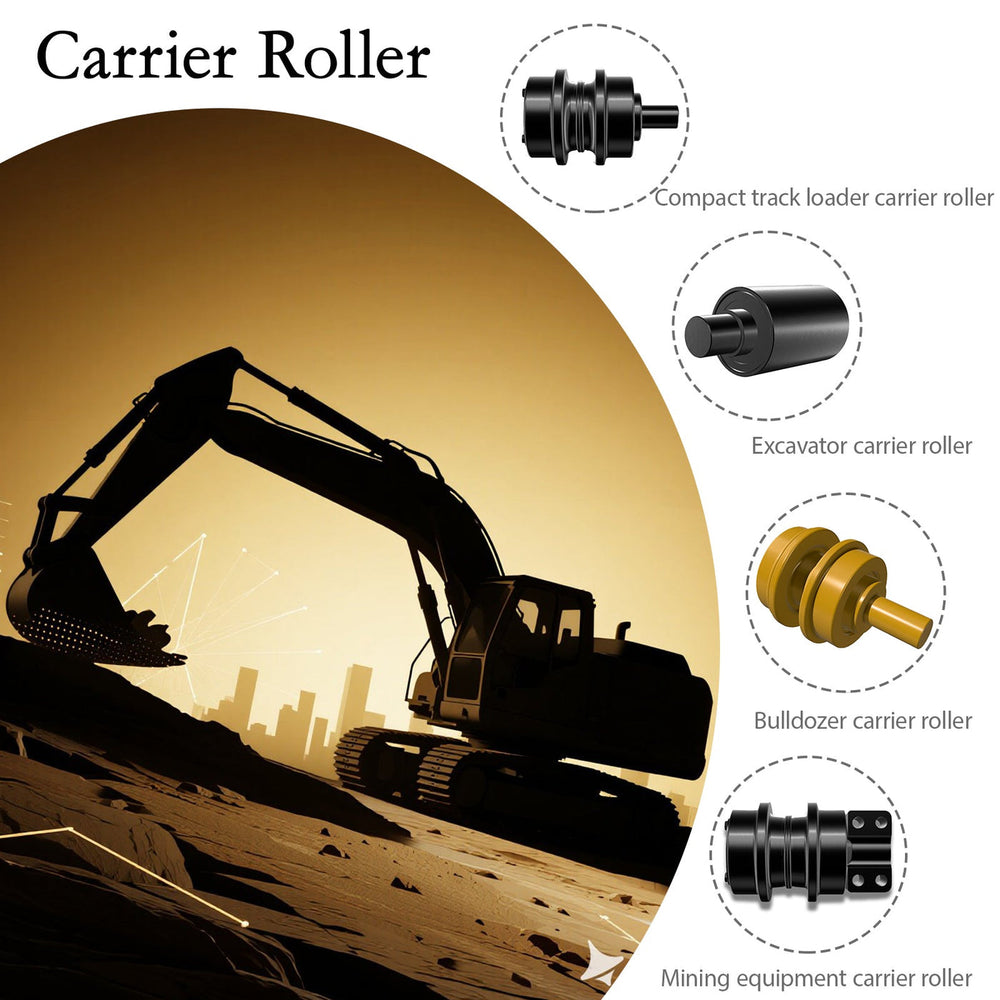
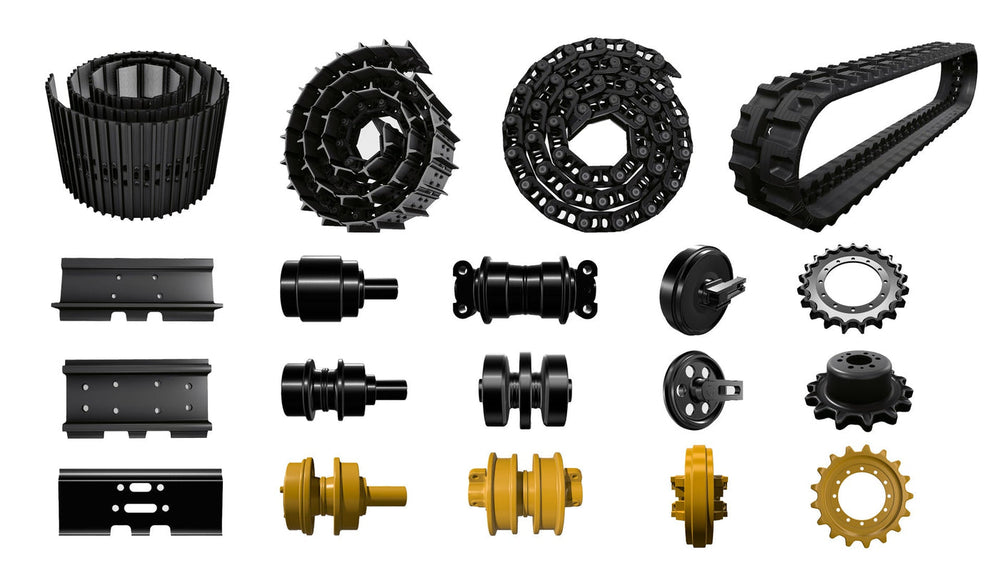
The third layer is undercarriage system design. Track rollers, carrier rollers, front idlers, and track chain assemblies influence how loads reach the sprocket. When these components are designed and supplied as a system—such as in KTSU’s undercarriage portfolios—impact loads are distributed more evenly and pitch engagement remains uniform, reducing peak bolt tension and local overloads. Integrating sprockets, idlers, rollers, and chains from a single, system‑oriented supplier simplifies training, torque charts, and maintenance planning across multi‑machine fleets.
KTSU versus typical sprocket and bolt alternatives
| Aspect | KTSU sprocket & bolt sets | Generic aftermarket sets | Basic OEM‑equivalent sets |
|---|---|---|---|
| Undercarriage focus | Designed for Komatsu‑class and broader OEM compatibility with demolition‑grade duty; includes sprockets, rollers, idlers, chains, and bolt sets. | Marketed as multi‑brand fit with limited validation in high‑impact demolition; focus often on general construction. | Tuned for standard earthmoving and construction; demolition shock cycles may receive less specific emphasis. |
| Bolt grade and metallurgy | High‑tensile Grade 12.9 track bolts with controlled hardness and proof strength suitable for elastic preload in harsh duty. | Mixed grades; some suppliers use 10.9 or non‑certified steels with lower tensile and fatigue strength. | OEM specs may call for high‑tensile bolts, but field replacements and aftermarket options are inconsistent. |
| Dimensional precision and fit | CNC‑machined sprocket bores and bolt seats with tight tolerances to reduce micro‑slip under vibration. | Variable machining quality; ovalized bores and inconsistent countersinks complicate torque retention. | Factory precision at delivery; performance over multiple rebuilds depends on batch quality and handling. |
| Wear life in demolition | Hardened surfaces and resilient cores for long life in abrasive, low‑temperature, high‑impact conditions, including mining‑like duty. | Typically rated for general construction; demolition use may see accelerated tooth and rim wear. | Adequate for original service; lifespan in specialized demolition fleets varies with usage and maintenance. |
| Support and maintenance practices | Regional arms and global networks can assemble new track groups, guide torque practices, and help standardize undercarriage setups across fleets. | Limited technical guidance; installation mostly left to fleets or local shops, with uneven practices. | OEM dealers provide service but may be costly for frequent undercarriage refreshes in high‑volume demolition operations. |
| Component range and fleet standardization | Sprockets, segment groups, rollers, idlers, chains, rubber tracks, and bolt sets for machines from 1‑ton to 250‑ton classes, easing multi‑fleet standardization. | Focused on selected models or generic parts; fleets may mix brands across the undercarriage. | Strong coverage for current OEM models; less flexible for multi‑brand or aging fleets that need unified torque and maintenance protocols. |
Real‑world usage scenarios: traditional practice versus system‑aligned undercarriage
In urban building demolition, a contractor may install generic aftermarket sprockets and mixed‑grade bolts on a PC138US, apply approximate torque without angle control, and rarely re‑check fasteners once the job starts. Vibration from hydraulic breakers and continuous slewing gradually loosens a subset of sprocket bolts, leading to rim wobble, chain misalignment, and accelerated tooth and bushing wear halfway through the project. The machine still runs, but tracking becomes unpredictable and downtime increases.
By contrast, when the same contractor retrofits the PC138US with precision‑machined sprockets and certified Grade 12.9 bolts, tightened using torque‑turn sequences and supported by matched rollers, idlers, and chains from a system supplier, bolt preload remains stable. Under these conditions, demolition shock and vibration are absorbed more evenly across the undercarriage, loosening incidents drop, and unplanned shutdowns decrease. Fleet managers notice this especially when they standardize components and torque charts across multiple excavators.
In low‑temperature industrial teardown scenarios, traditional practice may ignore the effects of cold on undercarriage materials, leading to chipping and tooth wear that increase local stress on sprocket bolts. Torque becomes uneven as some fasteners take more impact while others carry less. When rollers, sprockets, and bolts have been specified with low‑temperature toughness and elastic preload in mind, the joints stay secure even as impacts spike during cold operations.
Finally, multi‑fleet demolition operations often illustrate the difference between patchwork sourcing and system alignment. Mixing suppliers creates a mosaic of bolt grades, torque practices, and component behaviors, making it difficult for maintenance teams to remember correct specs or interpret failures. Standardizing sprockets, bolts, rollers, and chains through a single, globally coordinated undercarriage network simplifies training, allows common torque‑turn procedures, and reduces variability in torque retention across sites.
Why demolition loosens the joint, and the three defences
Demolition loads a bolted joint differently from digging, and the difference is what makes torque retention a maintenance item on these machines rather than a fitting detail.
| What the duty does | Why the joint suffers | The defence |
|---|---|---|
| Repeated impact from material and from tool engagement | Each shock works the clamped faces against each other, which is how a joint beds down and loses clamp load | Crossing-pattern torque in stages, and a re-check after the first hours of work |
| Frequent reversing under load | The load direction changes, so the joint is worked in both directions rather than settled in one | Checking the fasteners at a shorter interval than a digging machine uses |
| Abrasive dust on every mating face | Material between the faces prevents full contact, so the clamp load is carried by fewer points | Cleaning and inspecting the seating faces at assembly, not only the part |
Two practical rules follow. Treat a fastener that has been loaded to its limit as single-use, because a stretched bolt takes the torque and not the load. And record the torque at every inspection rather than checking only that the bolts are present, since a joint that keeps needing tightening is already moving.
The reason demolition deserves its own interval rather than the standard one is that the failure mechanism is different. A joint that loosens on a demolition machine is not being neglected; it is being worked in a way that consumes clamp load faster, and the response is a shorter check interval rather than a stronger bolt.
KTSU system view: undercarriage engineering for torque retention
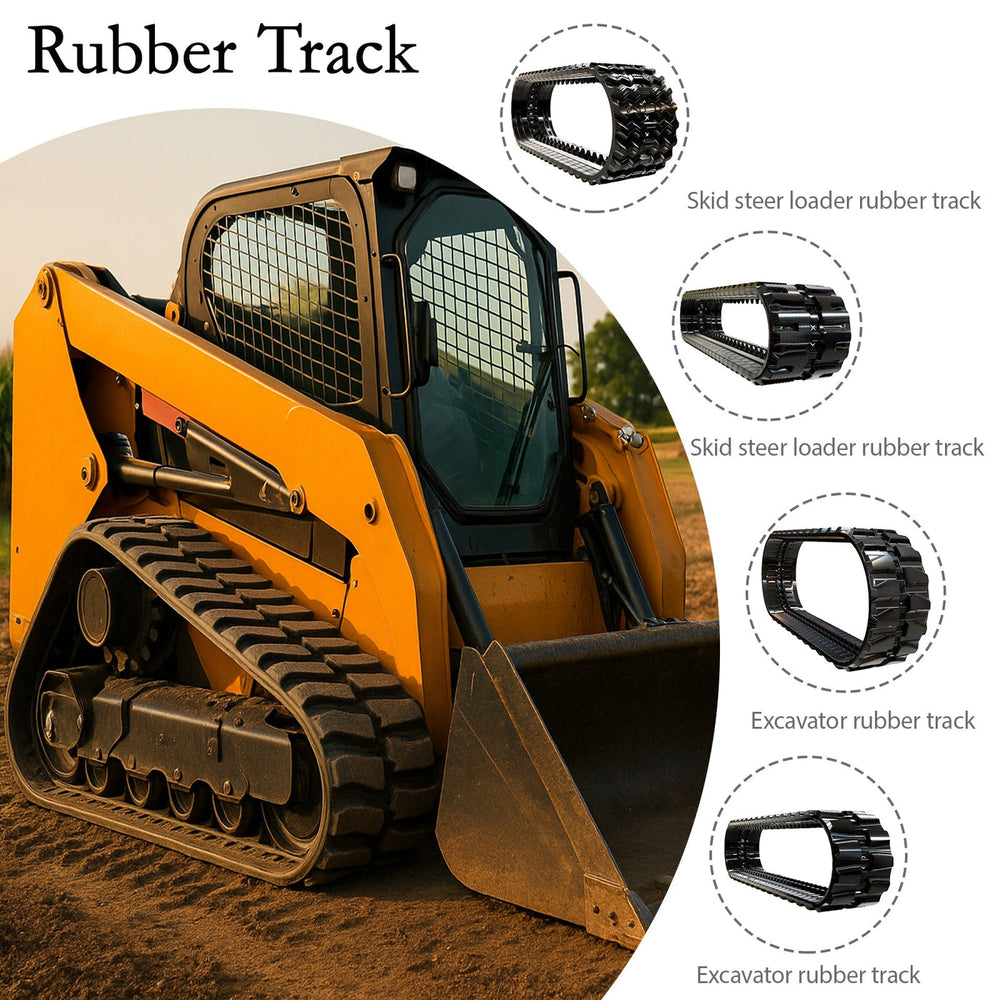
From an undercarriage engineering standpoint, KTSU treats sprocket bolt torque retention as one variable inside a larger mechanical system. Sprockets, rollers, carrier rollers, front idlers, track chains, and rubber tracks are designed and machined to work together so that load paths and vibration are managed rather than tolerated. Precision machining of bores and bolt seats, controlled hardness profiles, and matched component geometries are all aimed at keeping joints stable under severe duty.
In demolition duty for Komatsu PC138US‑class excavators, this system view becomes critical. Each component either amplifies or dampens shock and vibration heading toward the sprocket bolts. Hardened rollers with resilient cores minimize sudden load spikes; idlers and chain assemblies maintain pitch and tooth engagement, preventing localized overloads on individual bolts. When bolts are specified as Grade 12.9 with documented mechanical properties, they become reliable springs rather than unknown steel rods.
From the perspective of global and regional networks, KTSU’s ability to serve machines from 1‑ton to 250‑ton classes helps fleets align undercarriage practices across different sizes and brands. Fleet managers can adopt common torque‑turn procedures, standard bolt grades, and consistent inspection routines, reducing confusion and error rates in busy shops. In real projects, this translates into fewer surprises at the sprocket flange and more predictable undercarriage budgets over the life of the machines.
Frequently Asked Questions
Why do sprocket bolts loosen on demolition machines?
Repeated impact works the clamped faces against each other so the joint beds down, frequent reversing under load works it in both directions, and abrasive dust between the faces reduces the contact area carrying the clamp load.
What torque procedure should be used for sprocket bolts?
A crossing pattern brought up in stages to the figure in the machine or final drive specification, with a re-check after the first hours of work. The intermediate stage is what prevents one side of the flange being loaded while the rest is still loose.
How often should sprocket bolt torque be checked on a demolition machine?
At a shorter interval than a digging machine uses, because the duty consumes clamp load faster. Recording the reading each time is what shows whether the joint is holding or moving.
Can sprocket bolts be reused?
Where a fastener has been loaded to its limit, or the threads show distortion, it should be replaced. A stretched bolt takes the torque on the wrench and does not hold the load in service.
What else should be inspected when the joint is open?
The seating faces on both the sprocket and the hub, the bolt holes for elongation or cracking, and the thread condition in the hub. A face that is not flat will not hold a joint however well the fasteners are treated.
Conclusion: building a non‑loosening sprocket system for demolition fleets
Komatsu PC138US sprocket bolt torque retention in demolition environments is less about a single tightening spec and more about an integrated engineering approach. Bolt grade, joint geometry, undercarriage components, torque‑turn procedures, and maintenance practices all interact to determine whether a drive rim stays tight or slowly works itself loose under vibration and shock. By specifying Grade 12.9 track bolts, applying disciplined torque‑turn methods, using precision‑engineered sprockets and rollers, and aligning components through system‑oriented undercarriage suppliers, demolition fleets can reduce loosening events, extend undercarriage life, and protect uptime on demanding projects.
This article is part of Excavator Sprockets: How to Choose and Match Them, the guide that covers this topic in decision order.
More Technical Guides guides
Find the next article for your component, application or buying decision.
Back to Technical Guides